

Joy isn't a perk. It's a possibility we make room for
Efficiency is the method. Empowerment is the mission
-
Clarity is a catalyst. When people know what success looks like and how to achieve it, their confidence grows. Confidence fuels action. Action drives impact. And meaningful impact creates the conditions for fulfillment and joy.
More isn't always better. Better is better. Organizations don't always need more initiatives, more processes, or more layers. Sometimes, they need fewer things done exceptionally well. I believe the strongest systems prioritize utility over complexity, execution over ambition, and sustainability over constant reinvention.
Joy isn't a perk. It's a possibility we make room for. Organizations don't always need to manufacture joy through another initiative or experience. Sometimes, the most powerful thing they can do is remove the barriers standing in its way. Clear expectations, meaningful progress, and the agency to succeed give people more capacity to invest in their own well-being.
Good systems don't eliminate hard work. They eliminate unnecessary hardship.
-
People first. Always. The people closest to the work often have the clearest view of what works and what doesn't. I bring their perspectives into the design process, not simply the feedback process.
Clarity by design. Ambiguity is expensive. I translate complex challenges into clear processes, practical playbooks, and equitable practices that help teams move confidently from intention to execution.
Built to last. Designed to evolve. Sustainability isn't an afterthought. I build on what works, strengthen what doesn't, and create systems that can adapt without requiring organizations to start from scratch every few years.
-
My experience spans classrooms, school leadership, higher education, and districtwide systems strategy. Across these settings, I've worked as an educator, coach, administrator, professor, and organizational leader, developing a multidisciplinary perspective on how people, policies, and systems intersect.
My areas of expertise include:
Strategy & Systems: Policy development, program design, project management, and operational improvement.
People & Leadership: Talent acquisition, leadership coaching, instructional development, and organizational capacity-building.
Engagement & Insights: Community engagement, data analytics, storytelling, and stakeholder-centered design.
Multiple disciplines. One consistent purpose: I strive to help create the conditions for people and organizations to do their best work
Explore the beliefs that shape my approach, the principles that guide my practice, and why I believe better systems create better conditions for people to thrive
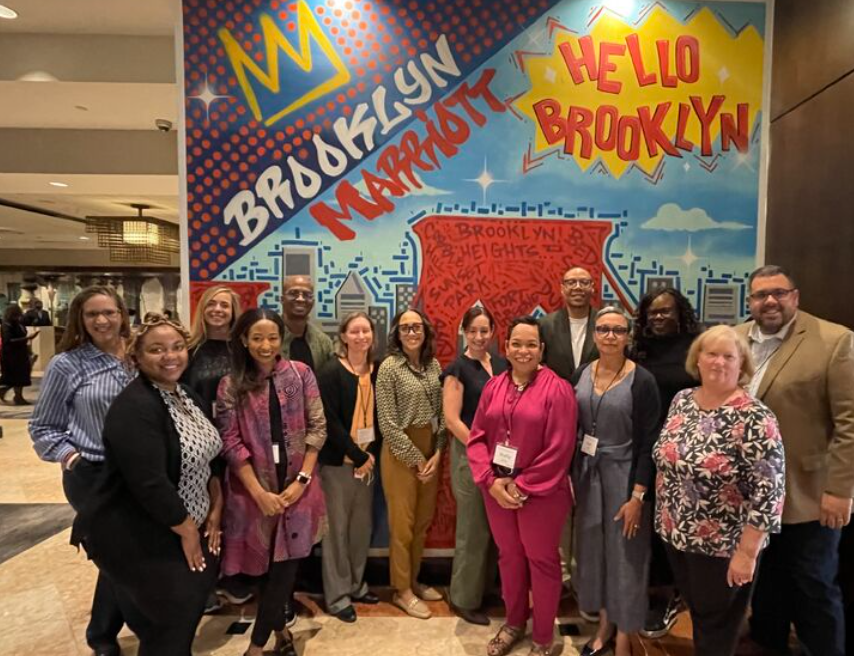
Tools & Learning Modalities
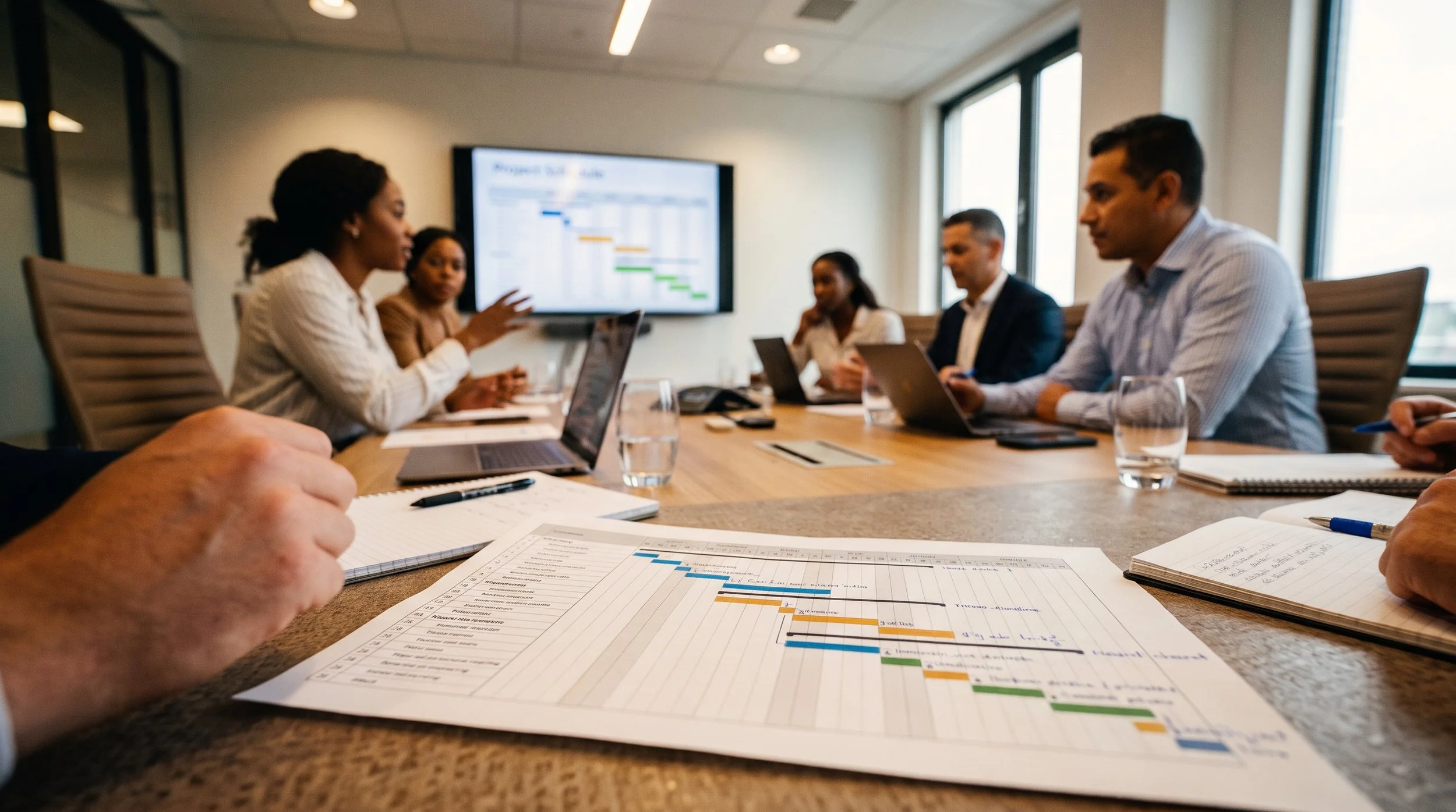
Technical, Data & Operational Tools
Business Intelligence: Power BI (enterprise platforms, filtering hierarchies, executive dashboards).
Project & Governance: Multi-tab Gantt charts, RACI matrices/MOCHA ownership frameworks, WBS roadmaps, and seasonal workstream trackers.
Policy & Diagnostics: Competency-aligned evaluation rubrics, multi-gate selection funnels, behavioral escalation ladders & restorative protocols, and multi-stage equity diagnostic rubrics.
Design & Web: Microsoft Word, HTML/CSS web architecture, Excel/CSV trackers, editorial layout systems, digital and multimedia storytelling.
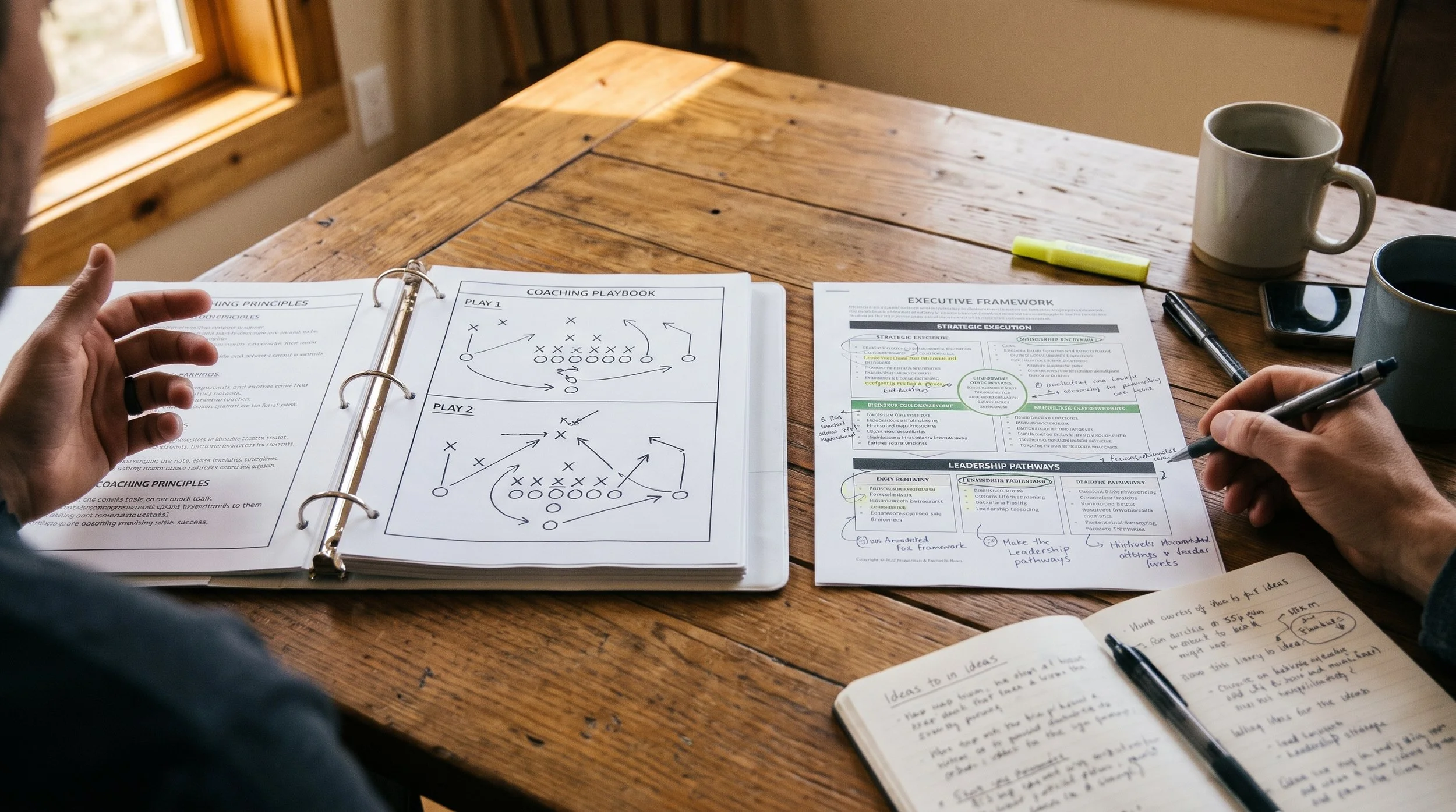
Adult Learning & Professional Development Modalities
Experiential Simulations: Live coaching role-plays, instructional video analysis, and calibrated scoring sessions.
Cohort Innovation Labs: Monthly cross-campus peer consultancies addressing multi-tiered student behavior and staff coaching.
Scaffolded Onboarding: Gradual-release playbooks and onboarding support.
Job-Embedded Coaching: Individualized bridge feedback, stay-conversations, mentor pairing, and manager relational trust toolkits.
Self-Service Enablement: Role-based user guides, lookup tables, and FAQ workflows built to eliminate data anxiety.
Participatory Co-Design: Recurring practitioner focus groups and rubric-testing workshops.
Purposeful Gathering Design: Convenings structured through threshold curation, environmental design, and shared evaluator norms.
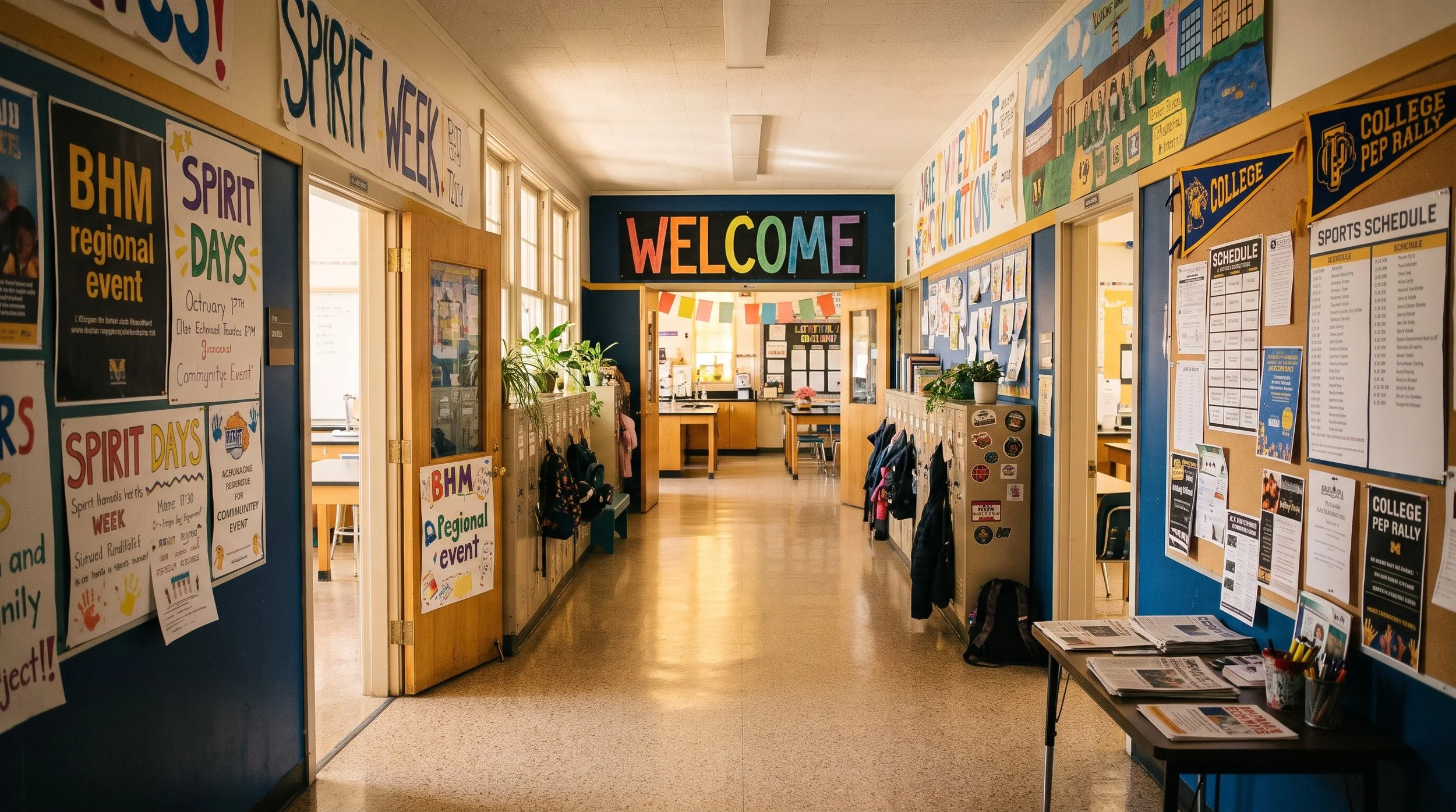
Curriculum & Student-Facing Modalities
Competency-Based Curriculum: Vertically aligned scope-and-sequence units, instructional rubrics, and differentiated instructional materials.
Restorative Culture Systems: Proactive routines, graduated non-verbal redirection ladders, and structured restorative systems.
Endorsements & Testimonials
insert
insert
insert
insert
insert
insert